Hydrogen Breath Test Details
The hydrogen breath test is a non-invasive diagnostic tool used to detect several digestive conditions related to the malabsorption of carbohydrates and the overgrowth of bacteria in the small intestine. It measures the amount of hydrogen and sometimes methane in the breath, which can be an indicator of how the body processes certain sugars or the presence of bacterial overgrowth.
Purpose of the Hydrogen Breath Test:
The hydrogen breath test is primarily used to diagnose:
Lactose Intolerance:
- This test helps determine if the body is unable to properly digest lactose, the sugar found in milk and dairy products. Lactose intolerance occurs when the small intestine does not produce enough lactase, the enzyme needed to break down lactose.
Fructose Malabsorption:
- This condition occurs when the small intestine has trouble absorbing fructose, a sugar found in fruits, honey, and some processed foods. It leads to gastrointestinal symptoms like bloating, diarrhea, and abdominal pain.
Small Intestinal Bacterial Overgrowth (SIBO):
- SIBO is a condition where excessive bacteria grow in the small intestine, leading to poor nutrient absorption, bloating, gas, and diarrhea. The hydrogen breath test can detect SIBO by measuring how quickly bacteria in the small intestine ferment sugars and produce hydrogen.
Carbohydrate Malabsorption:
- The test can also be used to assess other carbohydrate absorption problems, such as issues with sorbitol (a sugar alcohol found in some fruits and artificial sweeteners).
How the Hydrogen Breath Test Works:
When certain sugars (like lactose or fructose) are not properly absorbed in the small intestine, they pass into the colon, where they are fermented by bacteria. This fermentation process produces gases, including hydrogen and methane, which are absorbed into the bloodstream and exhaled through the lungs. By measuring the levels of these gases in the breath over time, doctors can determine whether malabsorption or bacterial overgrowth is present.
The Procedure:
Preparation:
- Dietary Restrictions: Patients are typically asked to avoid foods that can interfere with the test (e.g., high-fiber foods, dairy, or certain fruits) for 12-24 hours before the procedure.
- Fasting: Fasting for at least 8-12 hours before the test is required, usually overnight. Water is typically allowed.
- Medications: Certain medications (like antibiotics, laxatives, and acid reducers) may need to be stopped several days before the test as they can affect the results.
During the Test:
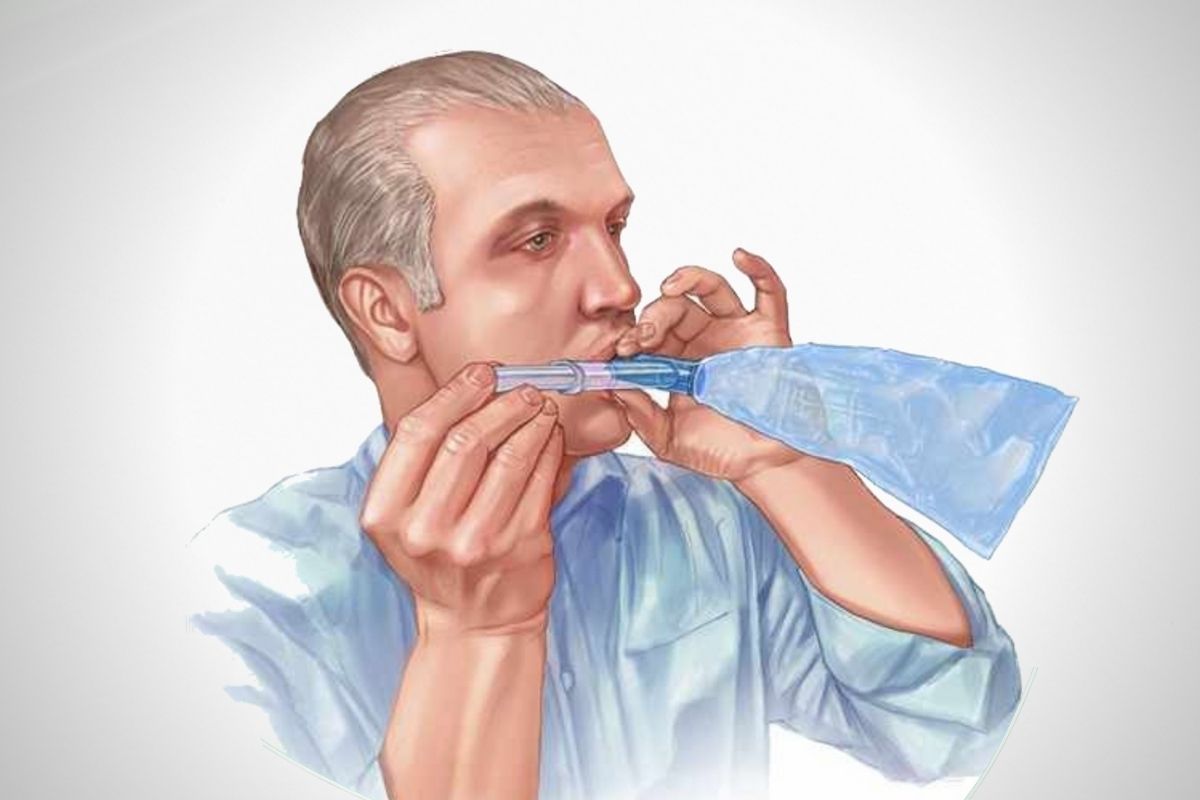
- The test begins by measuring baseline hydrogen levels in the breath. The patient blows into a breath collection device, which records the hydrogen concentration.
- The patient then consumes a specific sugar solution (such as lactose, glucose, or fructose) depending on the condition being tested for.
- After drinking the solution, the patient provides additional breath samples at regular intervals (typically every 15 to 30 minutes) for 2 to 3 hours. These samples measure the levels of hydrogen and sometimes methane as the sugar is digested (or not digested).
Post-Procedure:
- Once the test is complete, normal eating and drinking can resume.
- Results are usually available soon after the test, though sometimes they may take a few days to be fully analyzed.
Interpreting the Results:
Normal Absorption: In individuals without malabsorption or bacterial overgrowth, very little hydrogen or methane is produced, resulting in low levels of these gases in the breath.
Lactose or Fructose Intolerance: If the test detects a significant rise in hydrogen or methane after consuming the sugar solution, it suggests that the sugar was not properly absorbed and was fermented by bacteria in the colon, indicating intolerance.
SIBO: A rapid and significant increase in hydrogen or methane levels within the first 90 minutes of the test may suggest the presence of small intestinal bacterial overgrowth, as the bacteria in the small intestine ferment the sugar prematurely.
Conditions Diagnosed by Hydrogen Breath Test:
Lactose Intolerance: If the body lacks lactase, undigested lactose reaches the colon where bacteria break it down, producing hydrogen. Symptoms include bloating, gas, diarrhea, and abdominal pain after consuming dairy products.
Fructose Malabsorption: Fructose that is not absorbed in the small intestine also reaches the colon, where bacteria ferment it, producing hydrogen and other gases. Symptoms include bloating, gas, and diarrhea after consuming foods high in fructose.
SIBO (Small Intestinal Bacterial Overgrowth): In SIBO, bacteria normally found in the colon grow in the small intestine. These bacteria ferment carbohydrates early, leading to excessive gas production, bloating, and other gastrointestinal symptoms. A hydrogen breath test with glucose or lactulose is commonly used to detect SIBO.
Other Carbohydrate Malabsorption: Malabsorption of other sugars or sugar alcohols, like sorbitol, can also be detected using this test.
Benefits of the Hydrogen Breath Test:
- Non-invasive: Unlike many other diagnostic procedures, the hydrogen breath test is simple and non-invasive, requiring only breath samples and a sugar solution.
- Accurate Diagnosis: It provides an accurate method for diagnosing conditions like lactose intolerance and SIBO, which might otherwise require more invasive tests.
- Quick and Convenient: The test is relatively easy to administer and doesn’t require extensive preparation or recovery time.
Limitations and Considerations:
- False Positives/Negatives: Results can sometimes be inaccurate due to factors like recent antibiotic use, smoking, or improper test preparation.
- Long Duration: The test can take 2-3 hours to complete, which may be inconvenient for some patients.
- Discomfort: Drinking the sugar solution may cause temporary bloating, gas, or abdominal discomfort, especially in individuals with malabsorption or intolerance.
The hydrogen breath test is a valuable tool for diagnosing digestive issues, particularly in cases of carbohydrate malabsorption and small intestinal bacterial overgrowth.